When was the last time your teeth received more than just your usual brushing and flossing? Even with a consistent home-care routine, some plaque can remain in places that are difficult to reach. Over time, plaque can harden into tartar, which cannot be removed effectively with a regular toothbrush.
That is where professional dental prophylaxis comes in. A prophylaxis appointment is a preventive dental cleaning designed to remove plaque, tartar, and certain surface stains while giving your dental team an opportunity to evaluate your oral health.
But what actually happens during the appointment? Does a cleaning hurt? Will your dentist examine your gums and teeth too? Understanding the process can make your next visit feel much more comfortable.
What Is Dental Prophylaxis?
Dental prophylaxis Miami is a professional cleaning performed to help maintain healthy teeth and gums. During the appointment, a dental professional removes plaque and hardened tartar that cannot be adequately eliminated through routine brushing and interdental cleaning.
Tartar develops when plaque mineralizes on the teeth. Once it hardens, professional dental instruments are needed to remove it safely.
A prophylaxis appointment may also include an oral examination, depending on the practice and your scheduled visit.
What Happens During a Dental Prophylaxis Appointment?
Does the Appointment Begin With an Examination?
Your dental team may first review your oral health and ask about any changes, sensitivity, bleeding, or discomfort you have noticed. Depending on your needs and appointment type, your dentist may also examine your teeth and gums.
This initial evaluation helps identify areas that may require additional attention.
How Is Plaque and Tartar Removed?
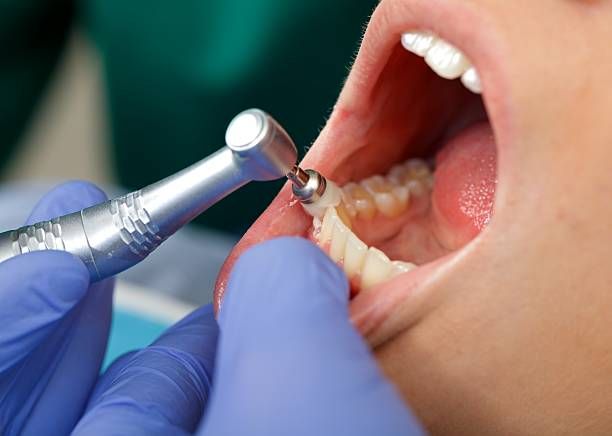
A dental hygienist typically uses specialized instruments to remove plaque and tartar from the surfaces of your teeth and around the gumline.
The process may feel different from brushing at home, particularly when tartar has accumulated. Some patients experience mild sensitivity during cleaning, especially around areas with gum inflammation or exposed tooth roots.
Is Professional Teeth Polishing Part of the Appointment?
After plaque and tartar have been removed, your teeth may be polished using a specialized dental polishing paste. This can help remove certain surface stains and leave the teeth feeling smoother.
Polishing is different from professional whitening. It does not change the natural color of your teeth in the same way a whitening treatment is designed to do.
The ADA notes that fluoride-containing prophylaxis paste is routinely used during dental prophylaxis, although the paste itself should not be considered a substitute for professionally applied fluoride treatments when those are medically indicated.
Why Might Fluoride Be Recommended?
Fluoride may be recommended when your dental team determines that you could benefit from additional protection against tooth decay. Professional fluoride treatments are more concentrated than standard self-applied fluoride products and can be particularly useful for patients at elevated risk of cavities.
A pediatric dentist in Miami may also evaluate a child's cavity risk and determine whether professionally applied fluoride is appropriate. The ADA recommends professionally applied fluoride based on individual caries risk rather than simply applying the same treatment to every patient.
Can Children Have Dental Prophylaxis?
Yes. Professional cleanings can be an important part of preventive dental care for children. Regular visits allow dental professionals to monitor developing teeth, reinforce brushing habits, and identify potential concerns early.
A pediatric dentist Miami can also adapt the appointment to the child's age and comfort level. Explaining each step in simple language can help children become more comfortable with routine dental care.
Parents should continue daily brushing at home. The ADA recommends brushing twice daily with fluoride toothpaste and cleaning between teeth every day.
How Often Should You Have a Professional Cleaning?
There is no single cleaning schedule that applies to everyone. Your dentist may recommend visits based on your gum health, cavity risk, tartar buildup, medical history, and previous dental problems.
Some patients may benefit from routine preventive cleanings, while people with periodontal disease or other oral health concerns may need a different maintenance schedule.
Dental prophylaxis Miami patients receive should therefore be part of a personalized preventive care plan rather than treated as a one-size-fits-all service.
How Can You Maintain Your Results After Cleaning?
Professional cleaning cannot replace daily oral hygiene. To maintain your teeth and gums between appointments, brush twice a day with fluoride toothpaste and clean between your teeth daily.
A pediatric dentist Miami can also teach children and parents practical brushing and interdental cleaning techniques that fit their individual needs.
What Should You Expect After Prophylaxis?
Your teeth may feel noticeably smoother and cleaner after the appointment. Some temporary sensitivity can occur, particularly if significant tartar was removed or the gums were inflamed.
If you experience persistent discomfort, bleeding, swelling, or other unusual symptoms, contact your dental office for guidance.
Why Is Professional Prophylaxis Important?
Professional dental prophylaxis is more than simply making your teeth feel clean. It helps remove hardened deposits that home brushing cannot eliminate and provides an opportunity for your dental team to monitor your oral health.
Combined with consistent home care and regular dental examinations, professional cleanings can support healthier teeth and gums over the long term.